My Photgraphy Blog
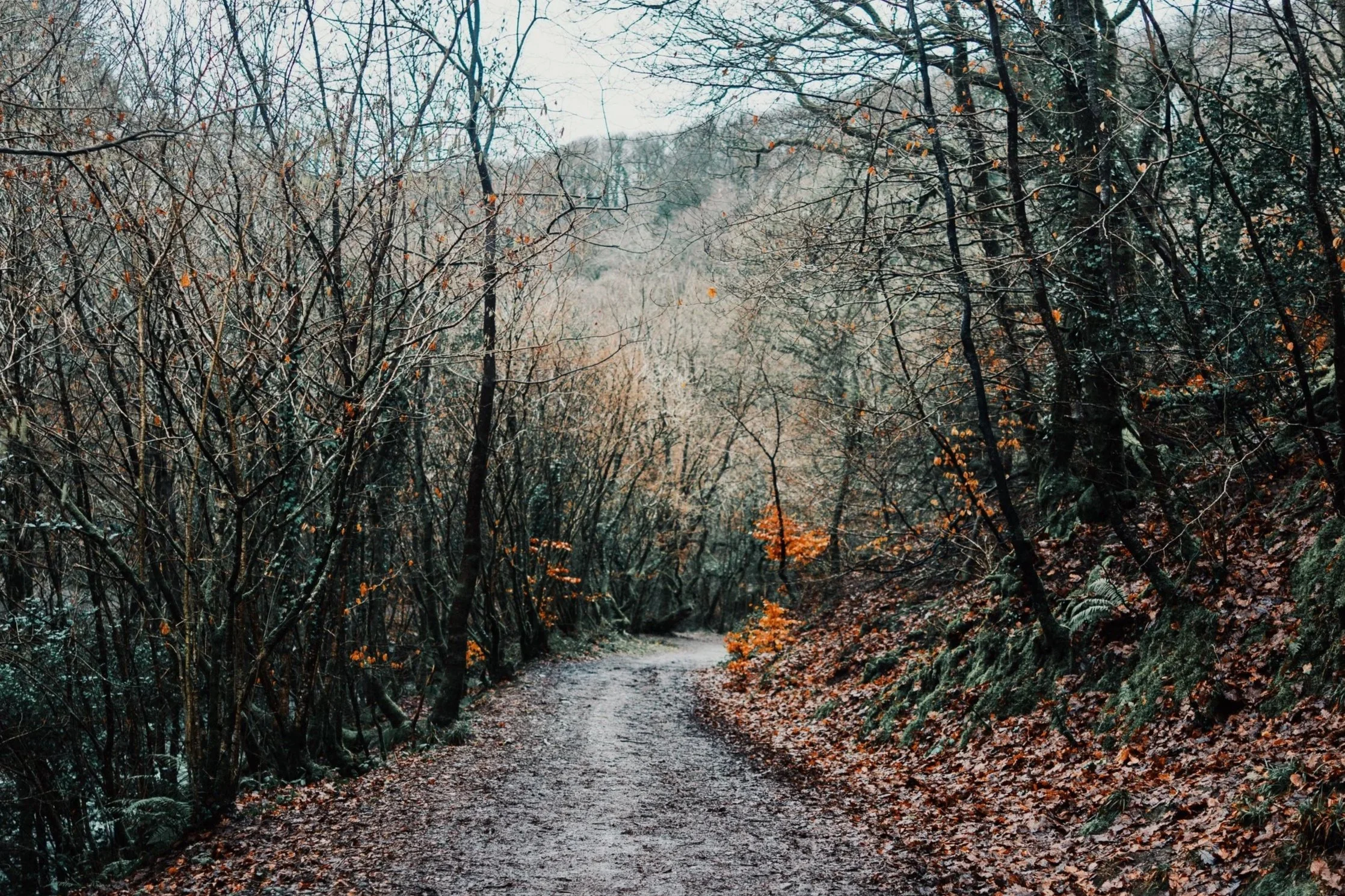
A Winter Walk with the Sony RX1
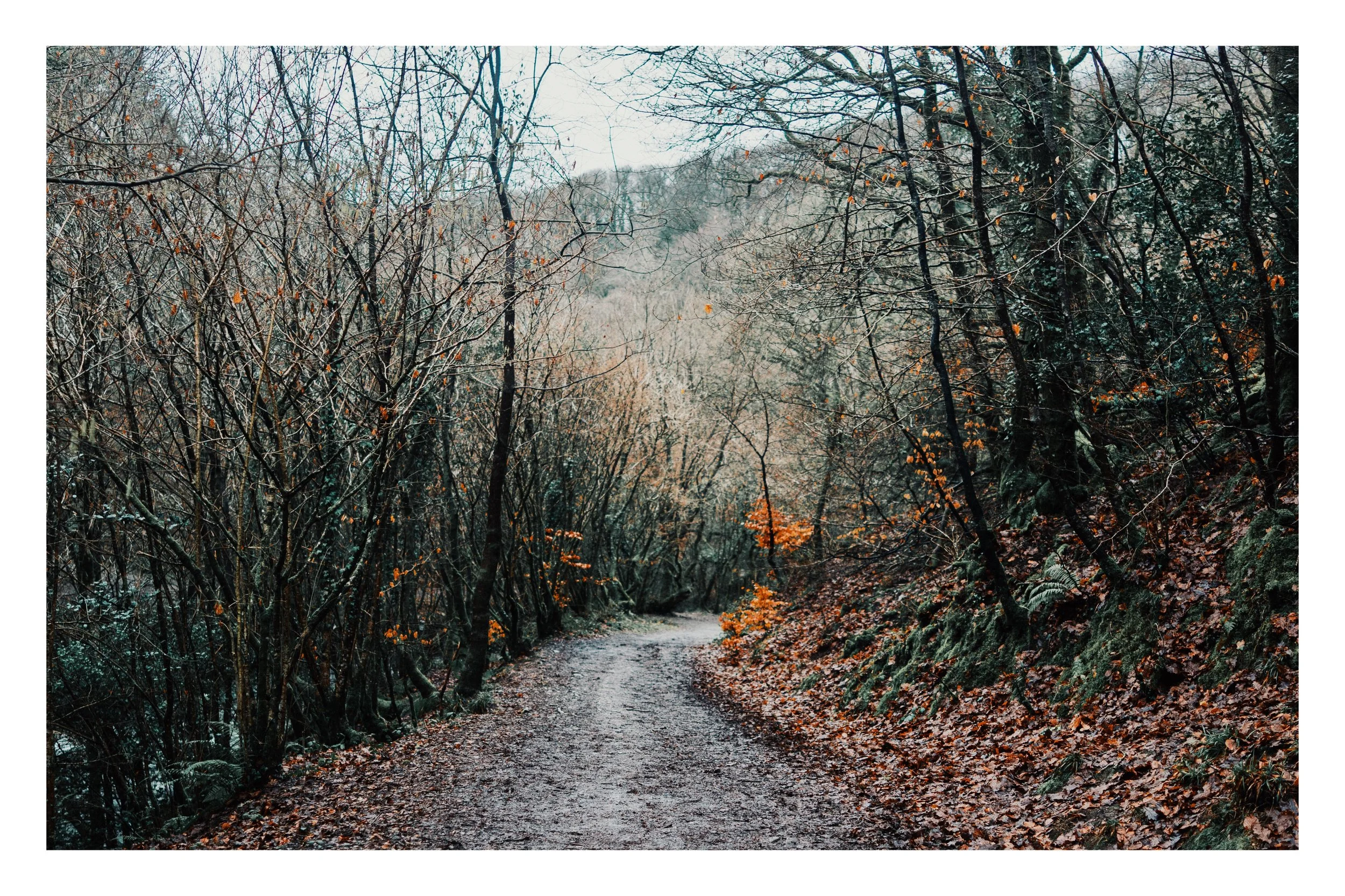
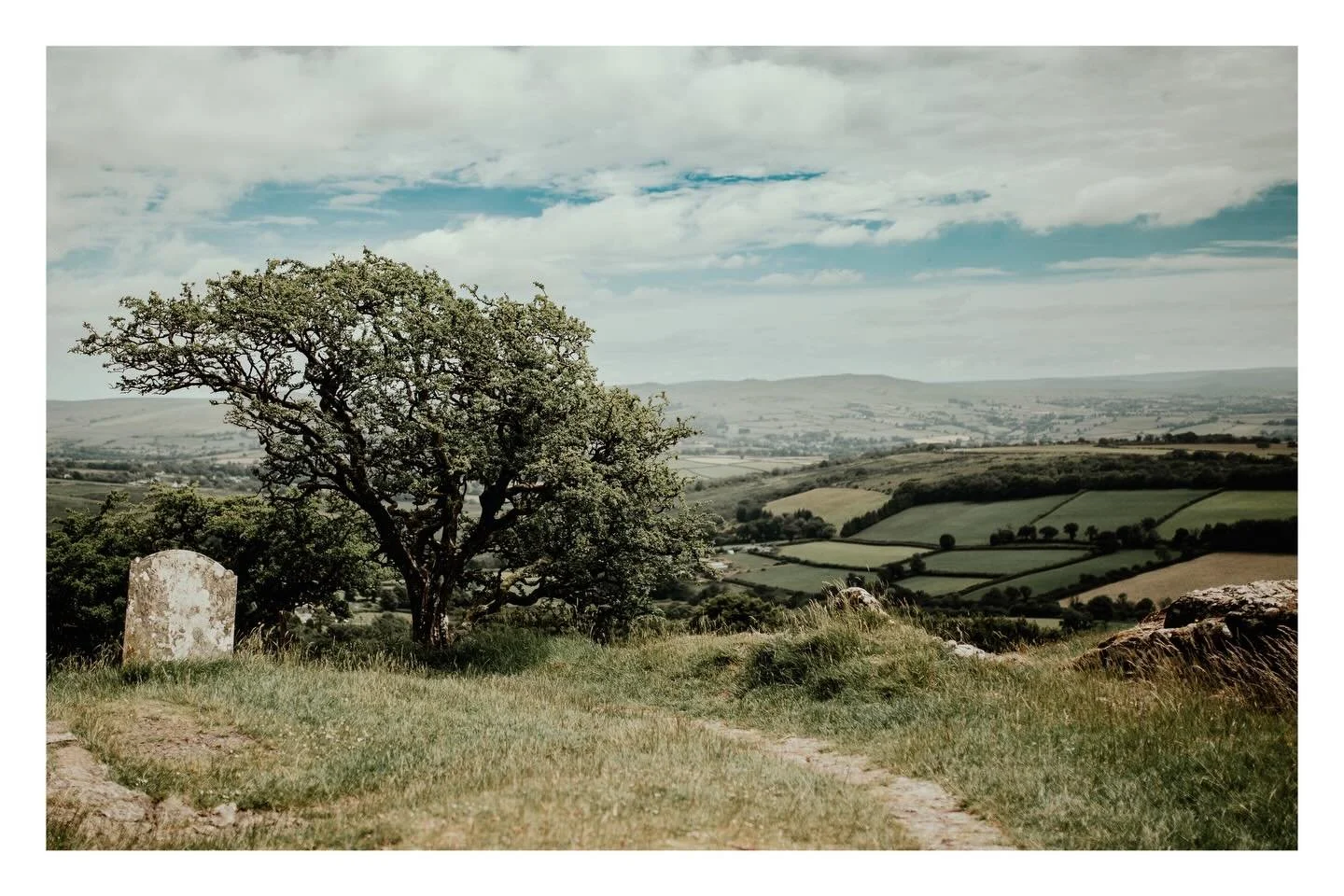
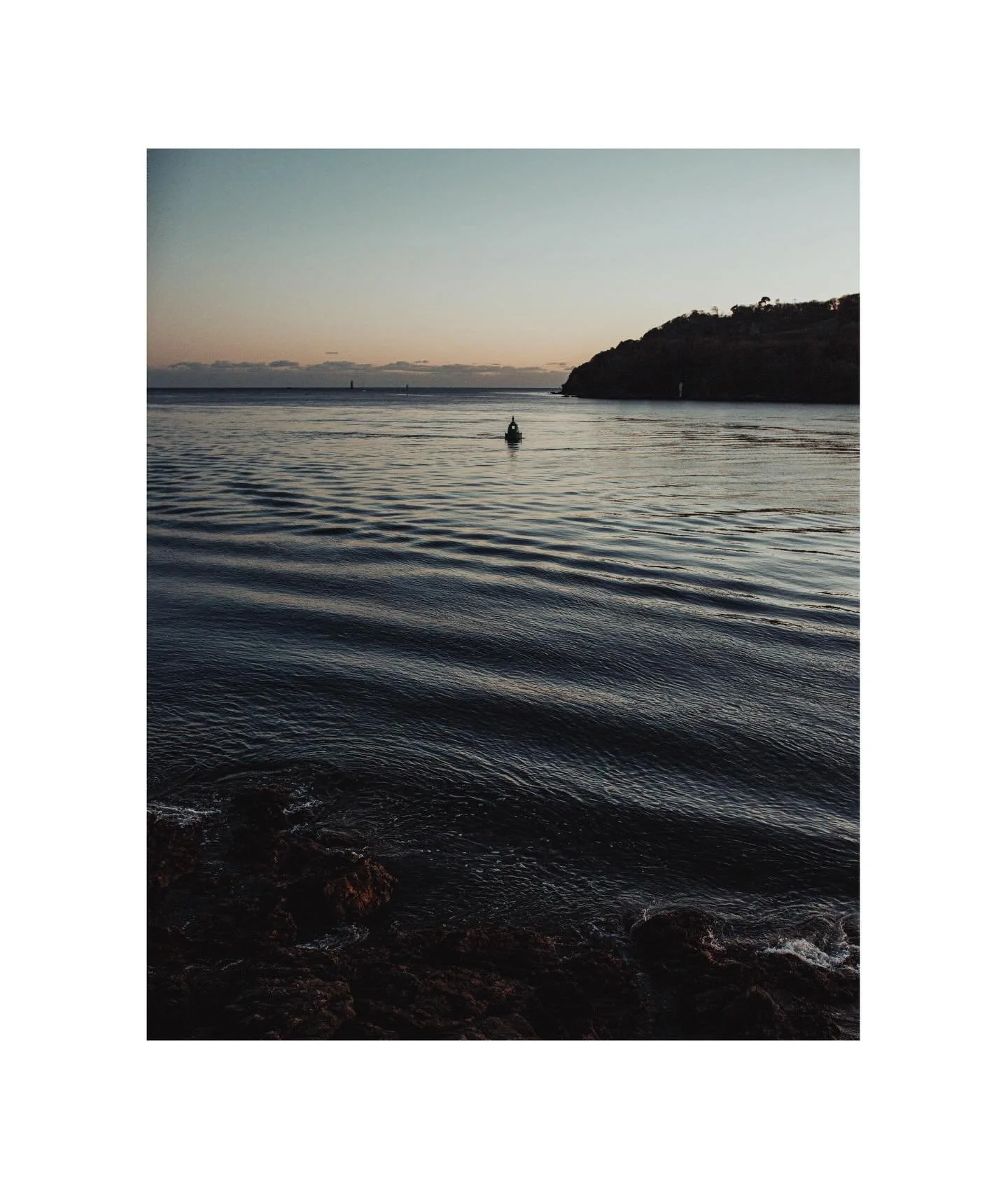
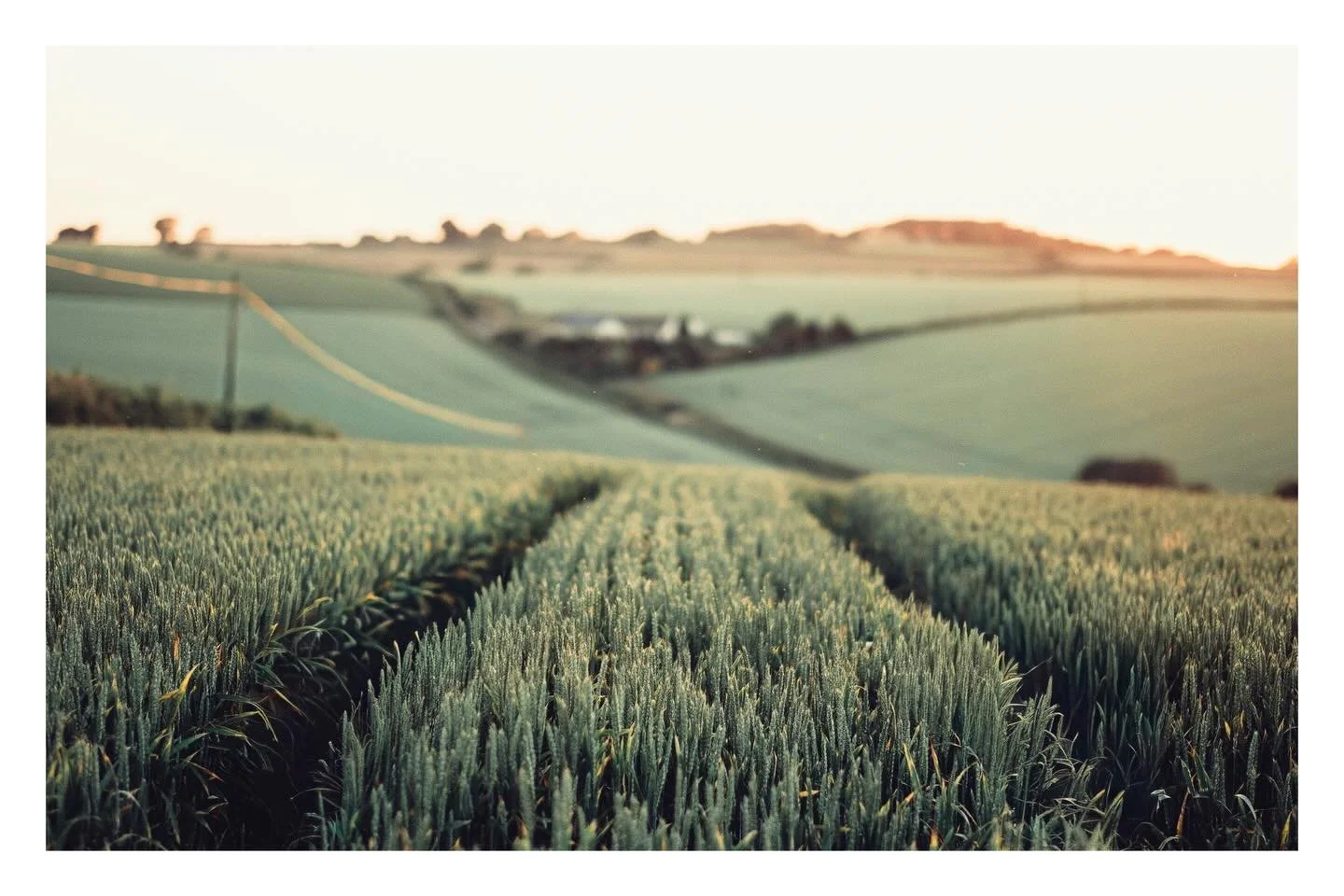
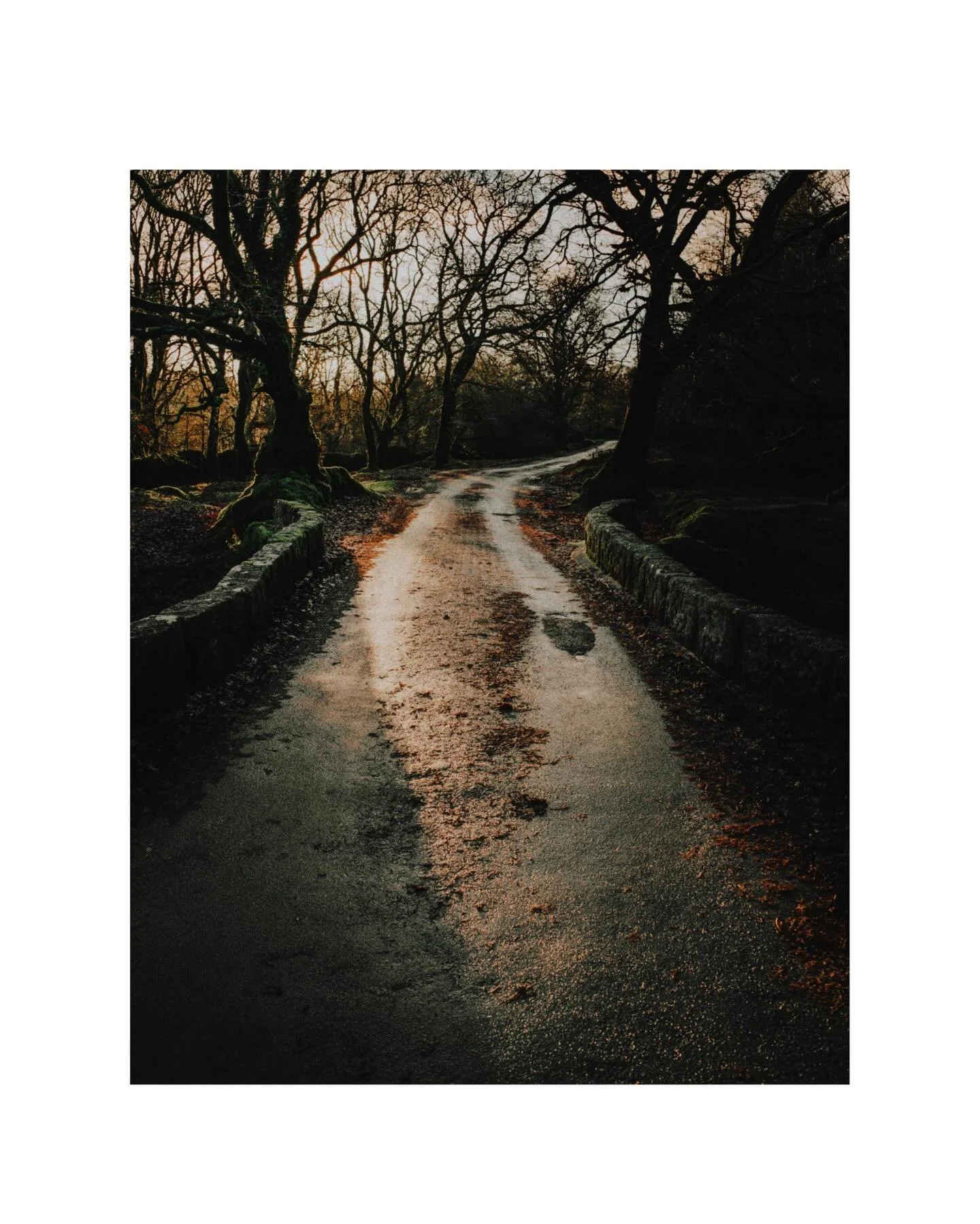
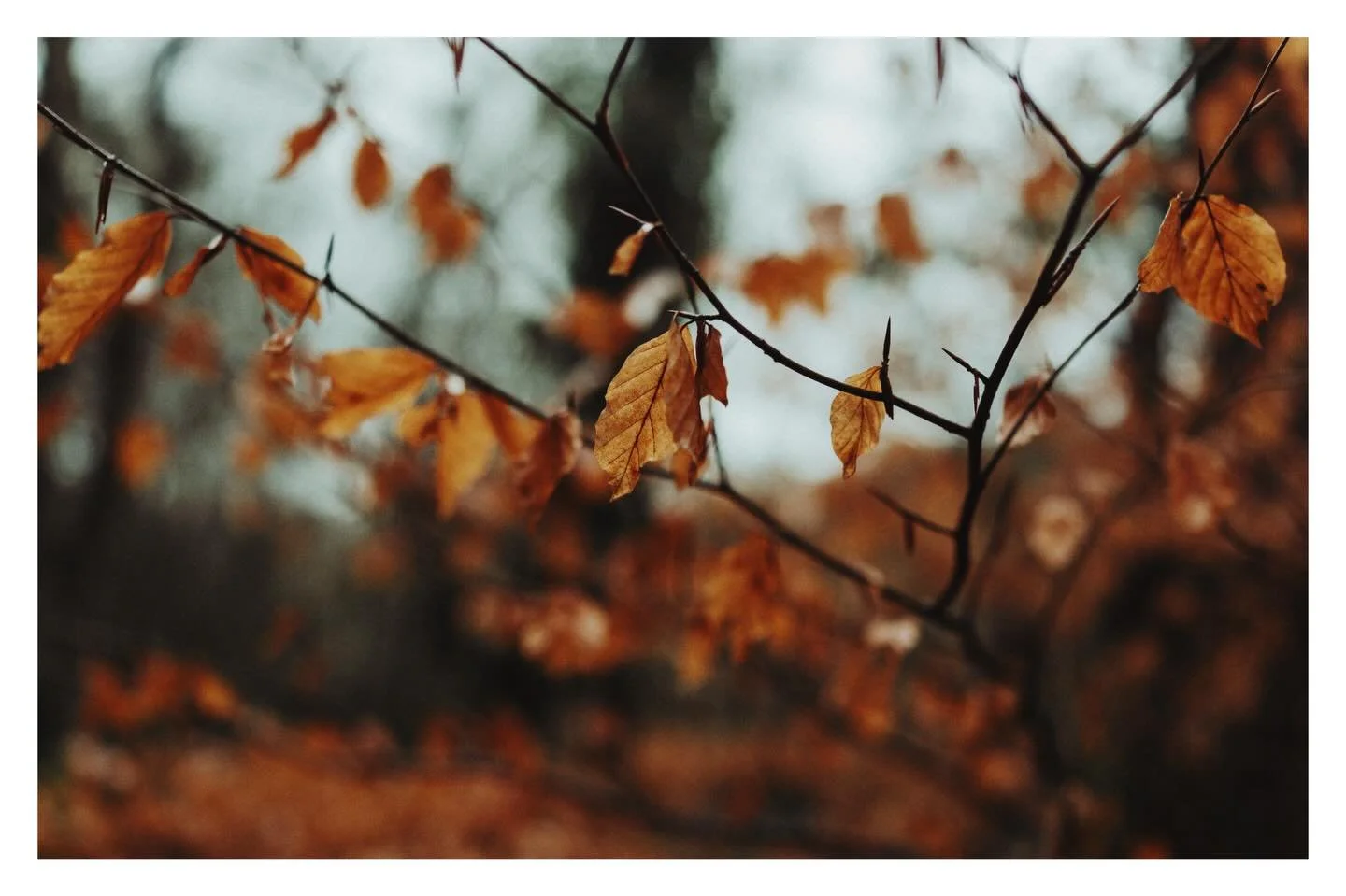
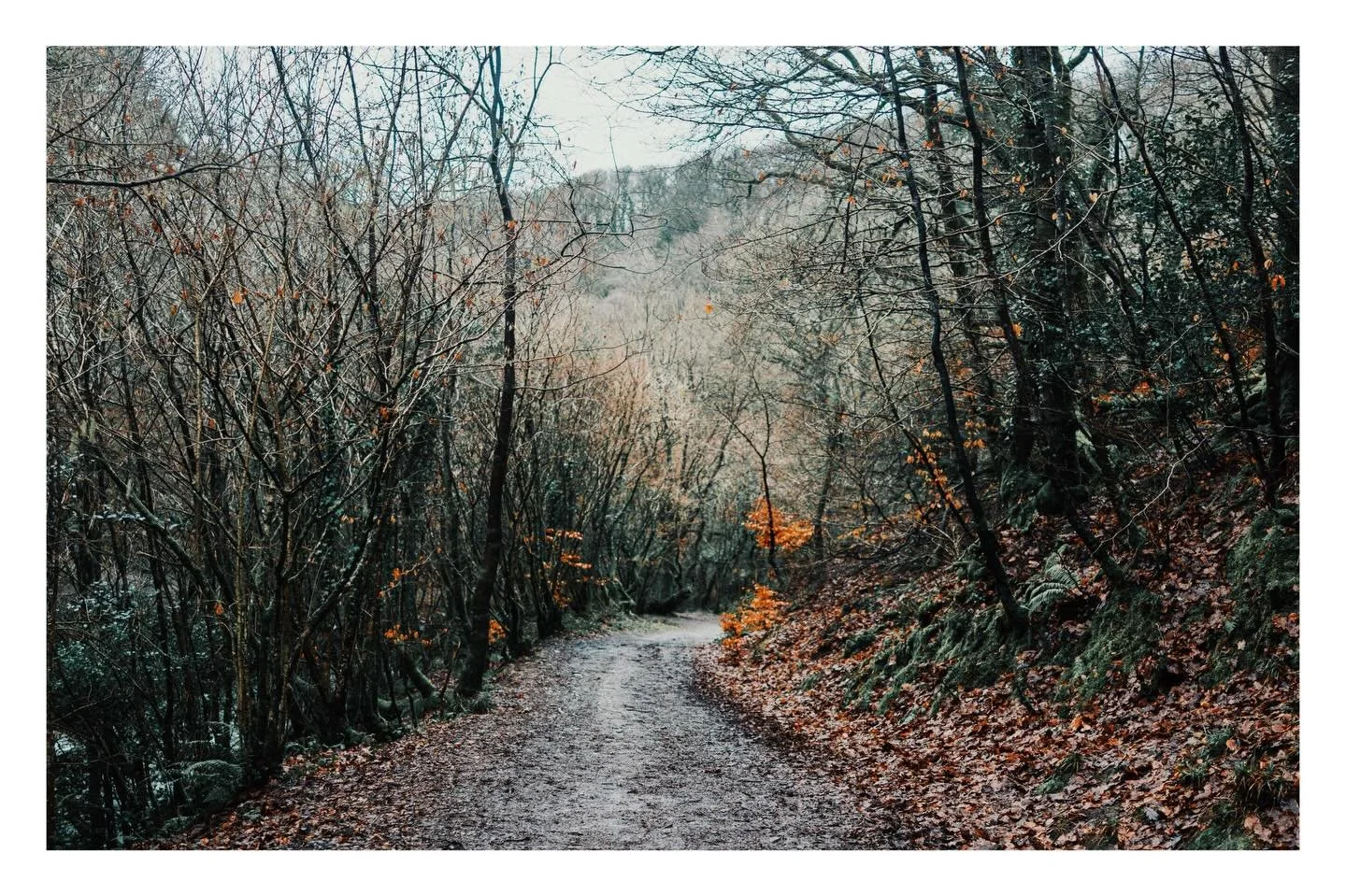
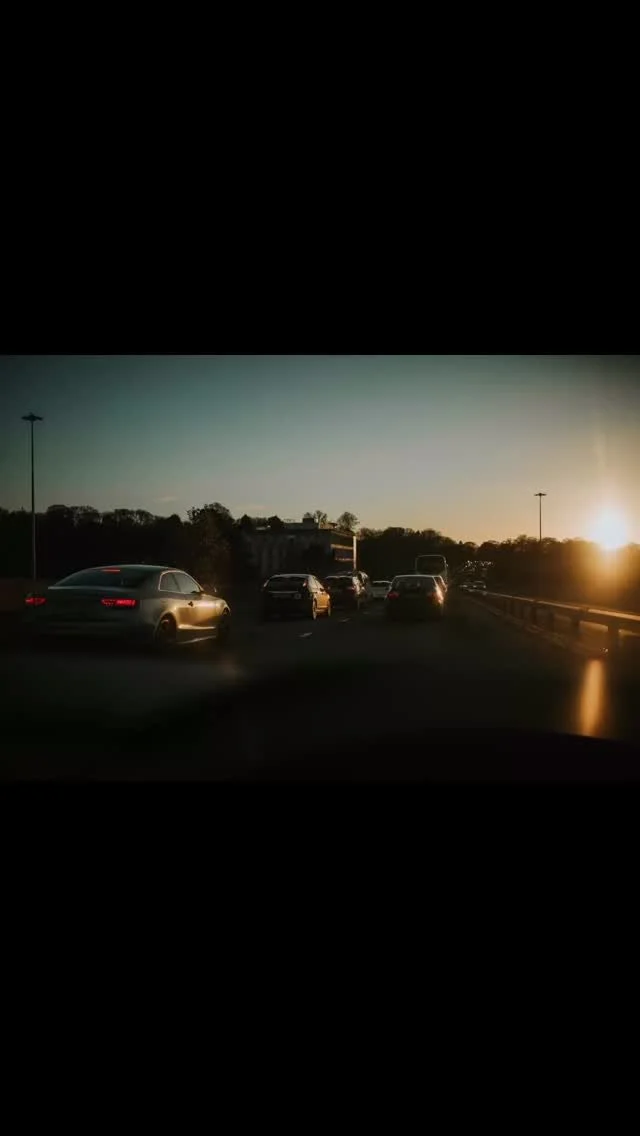
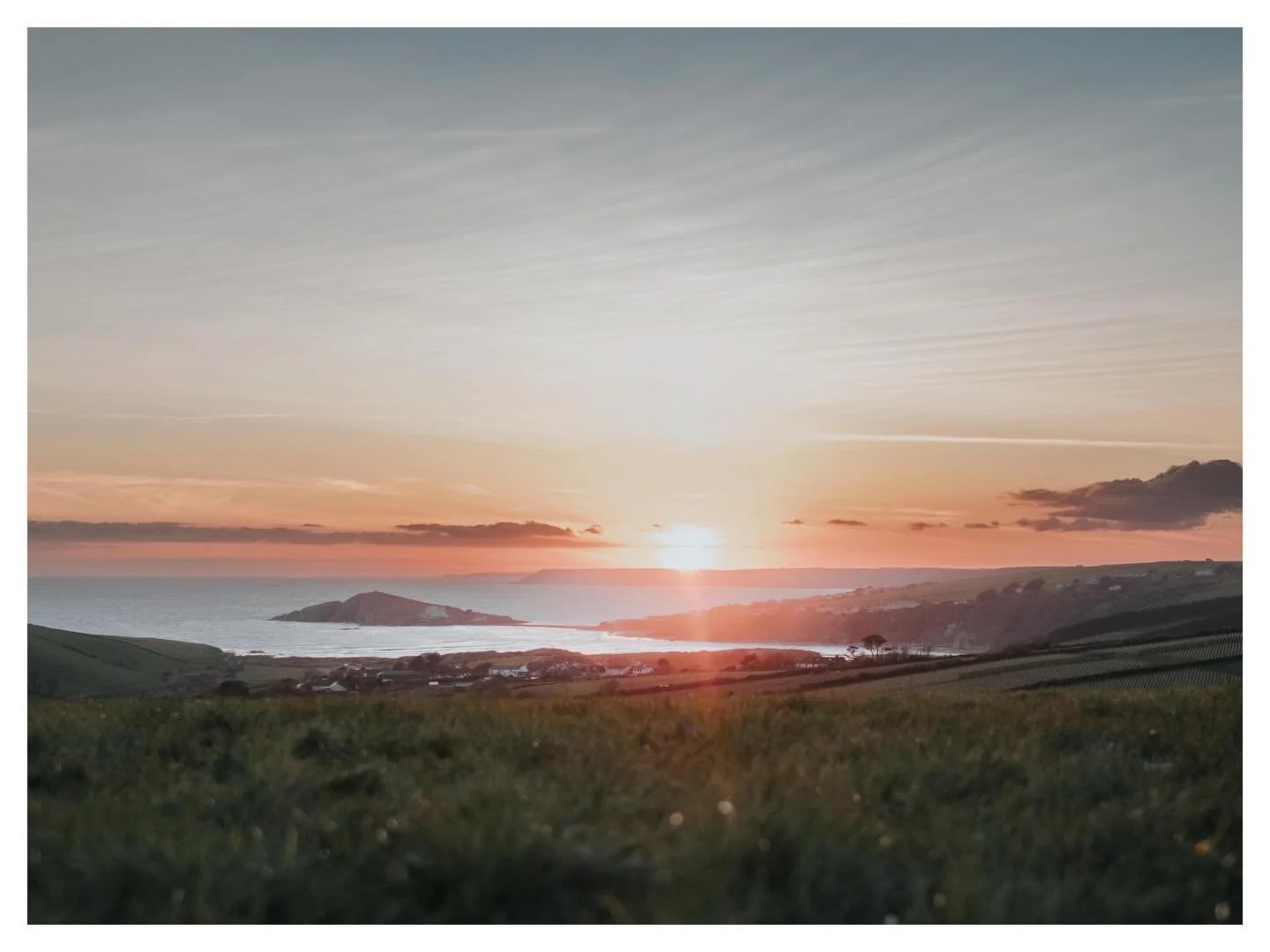
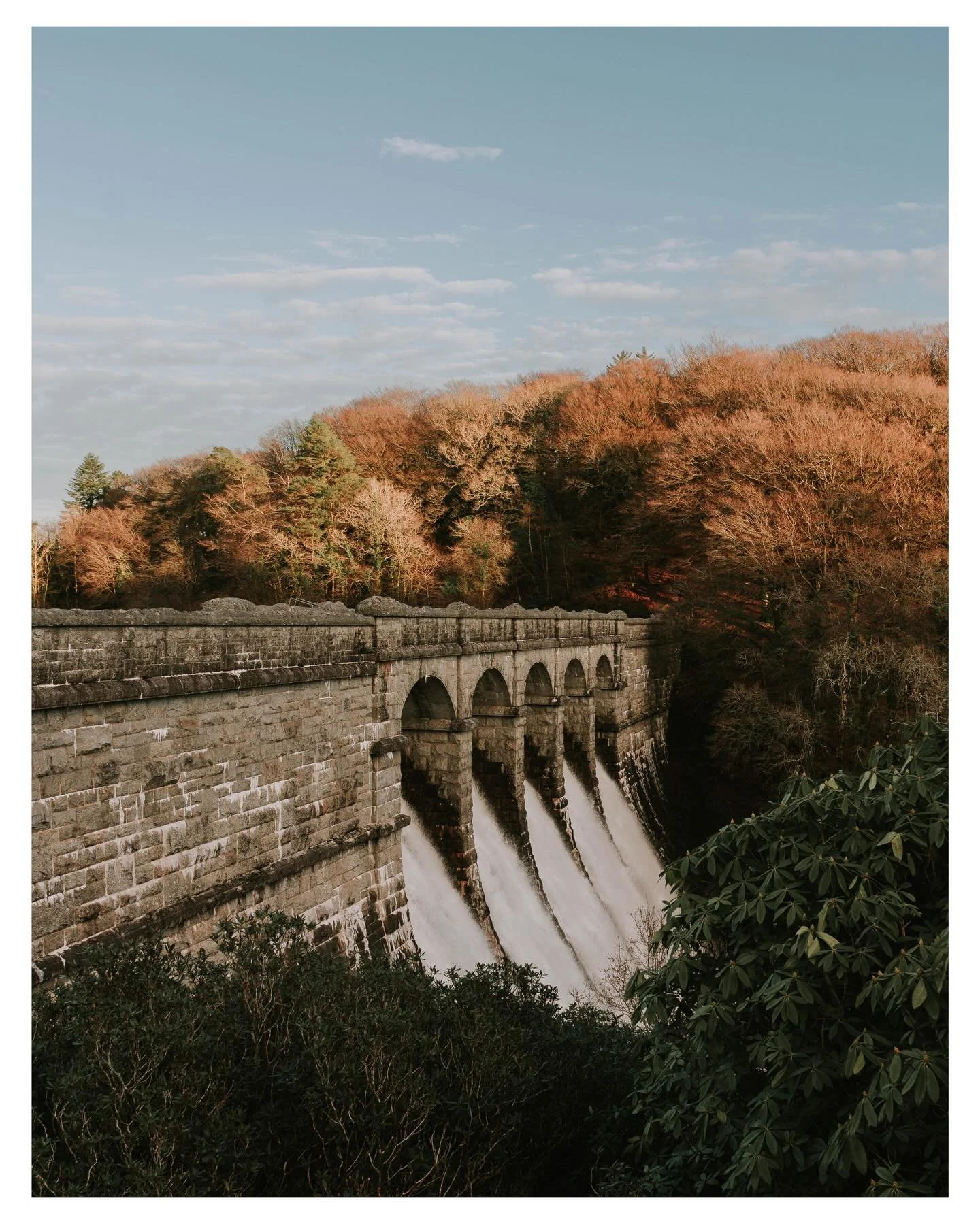
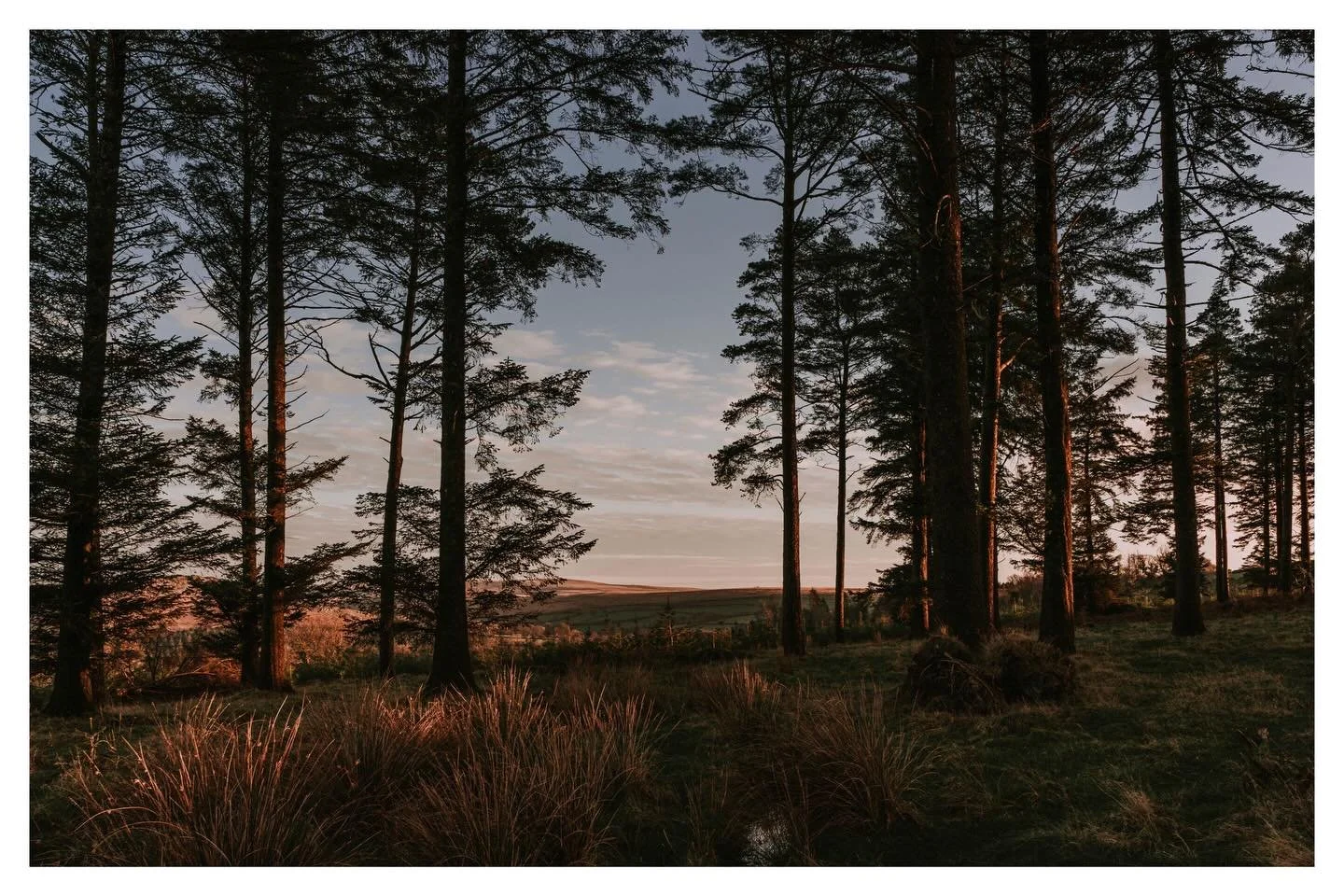
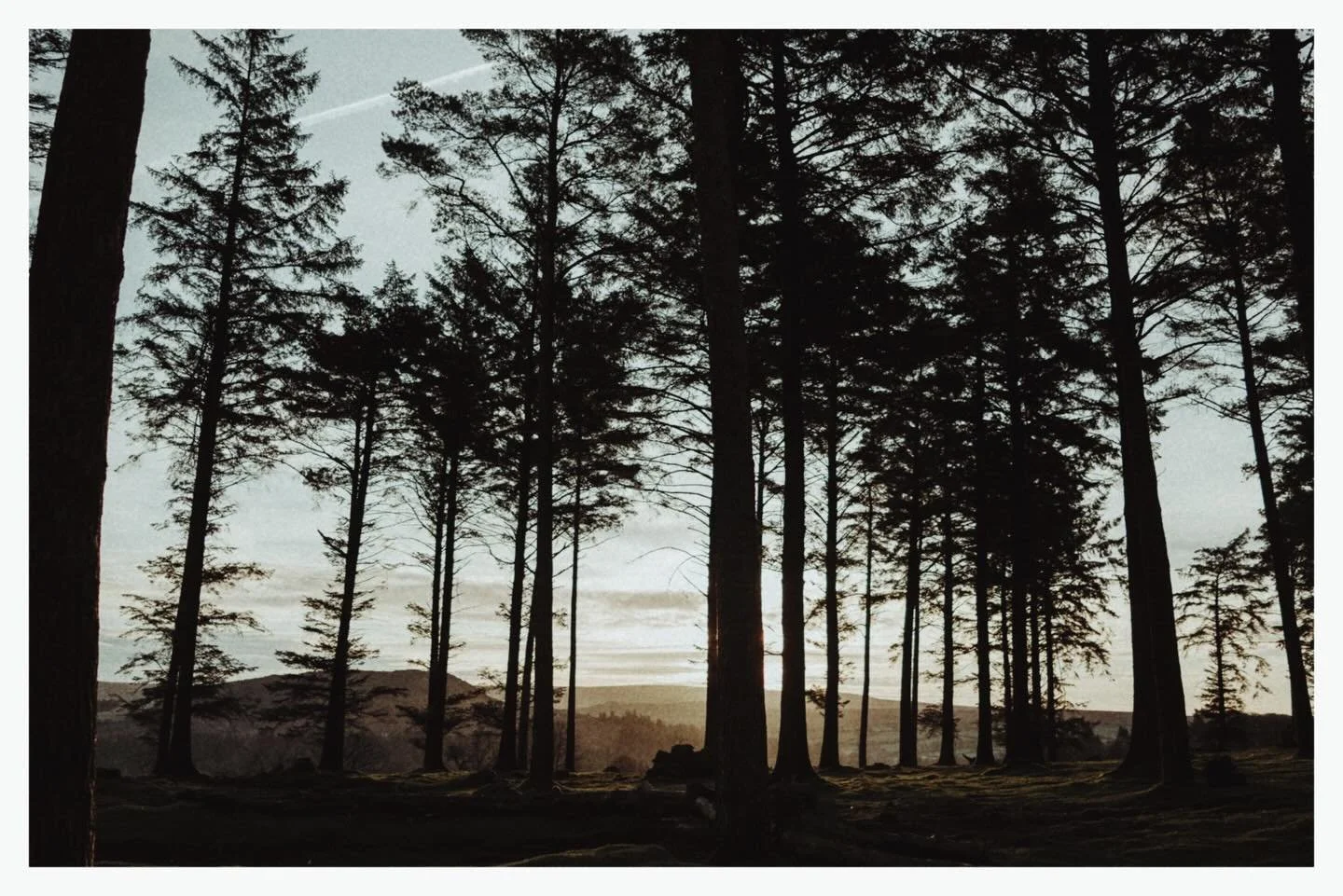
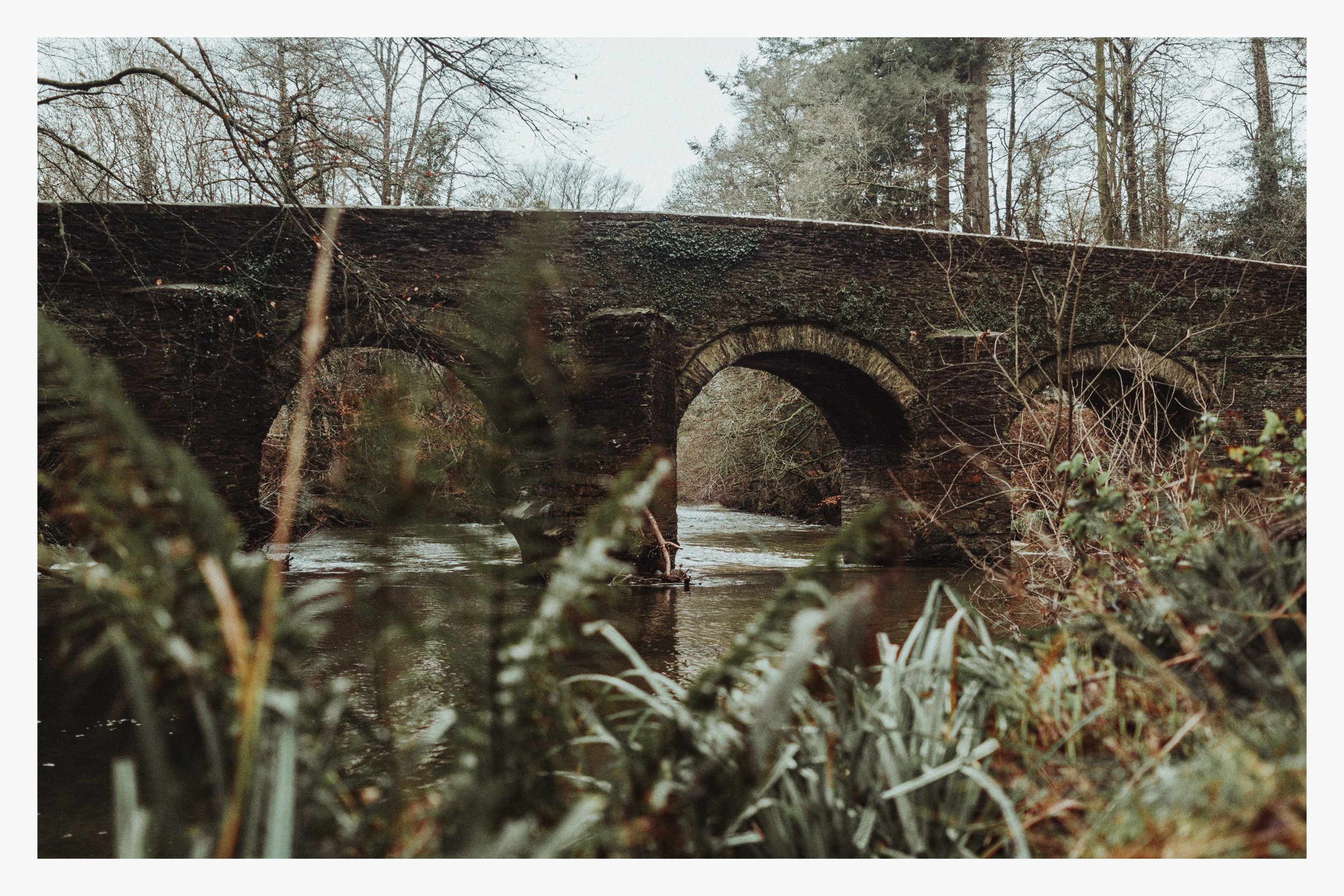
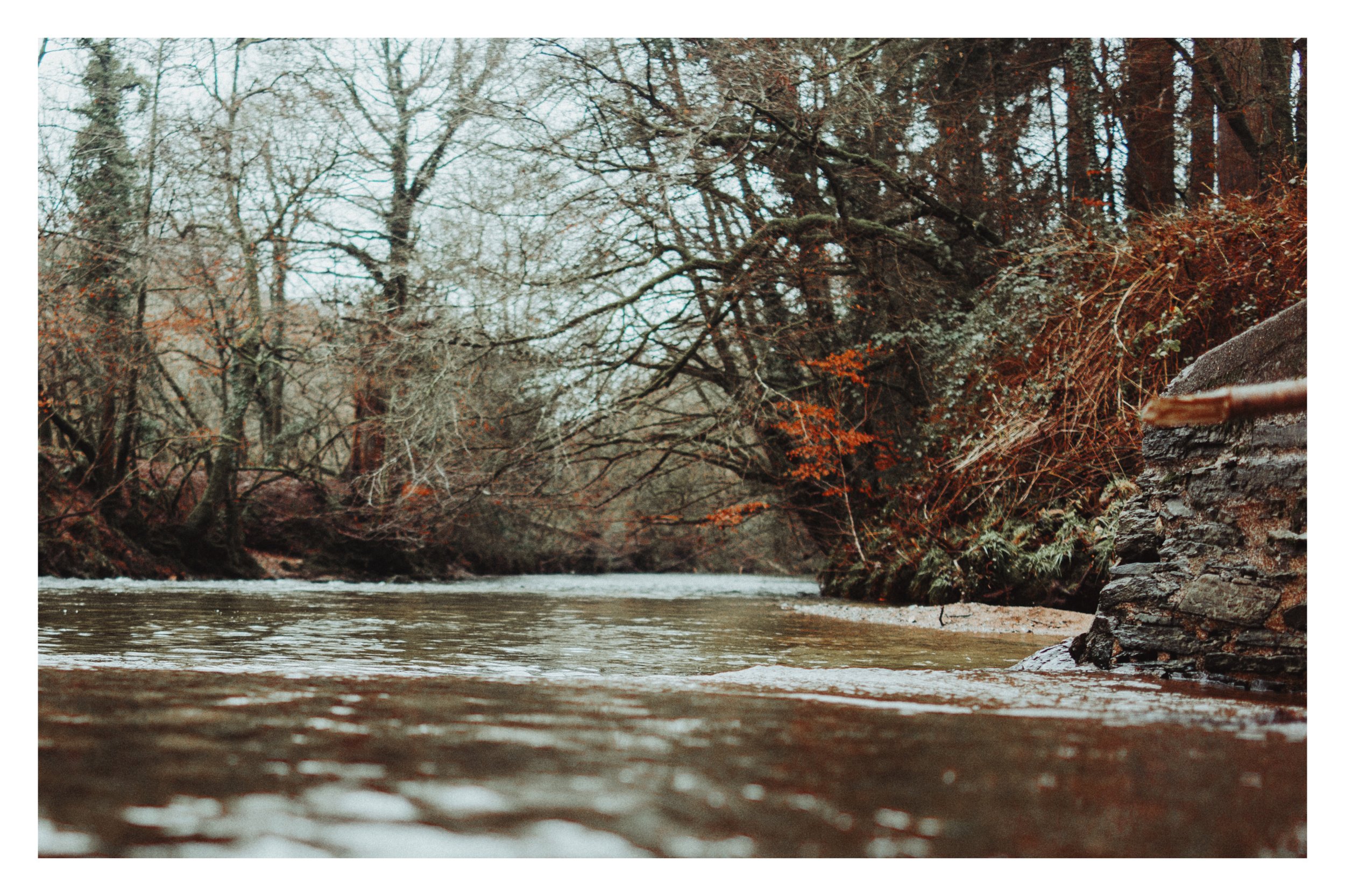
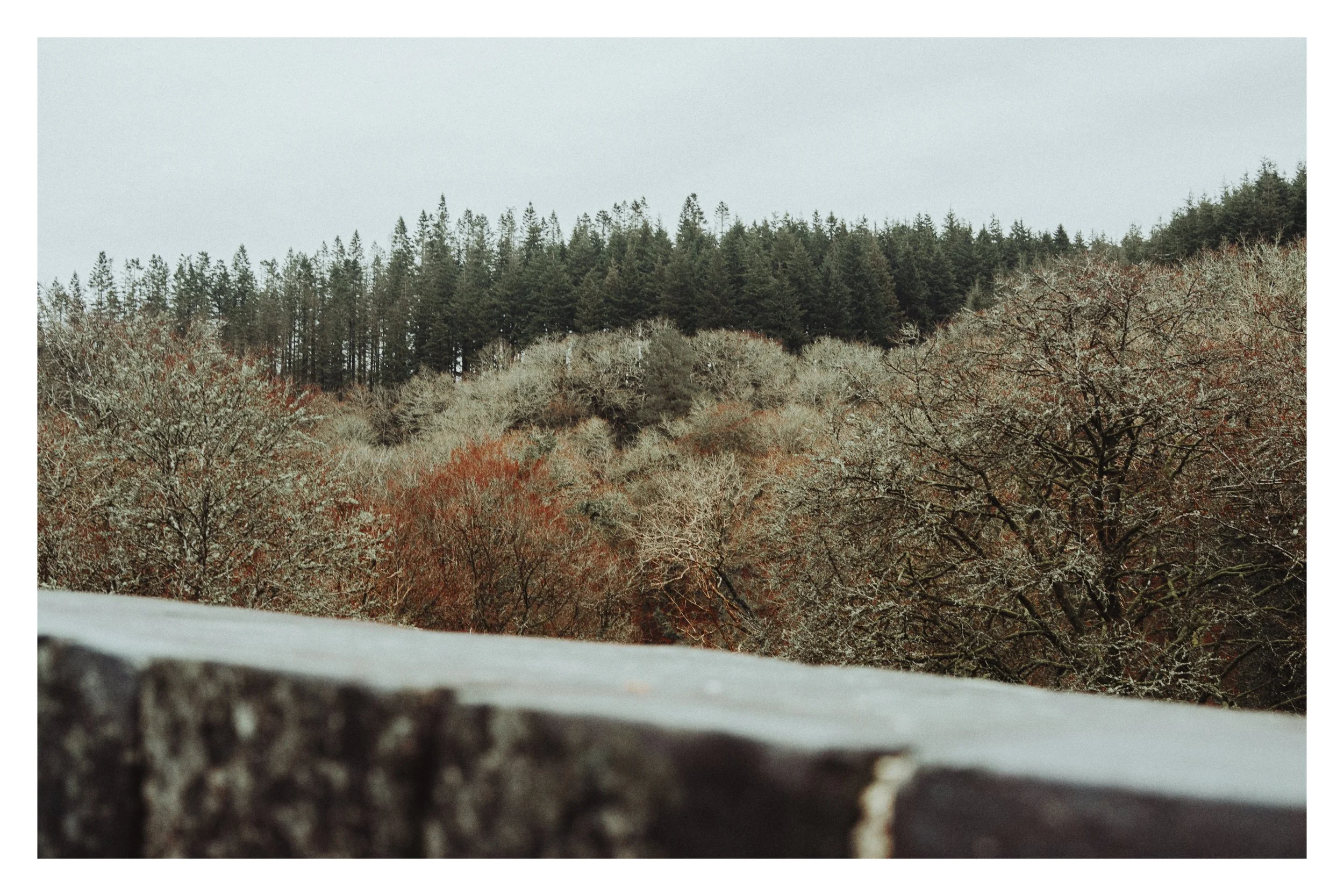
Last weekend I took the Sony RX1 into Plymbridge Woods, Devon, letting the quiet of the trees set the pace for a small fine art photo series.
Plymbridge has a way of slowing you down. The layered canopy filters light into soft, shifting patterns, and the damp woodland floor carries a muted palette of greens and browns that feels timeless. The RX1 was the perfect companion for this kind of work—its fixed lens encouraged me to move, to look more carefully, and to compose with intention rather than convenience.
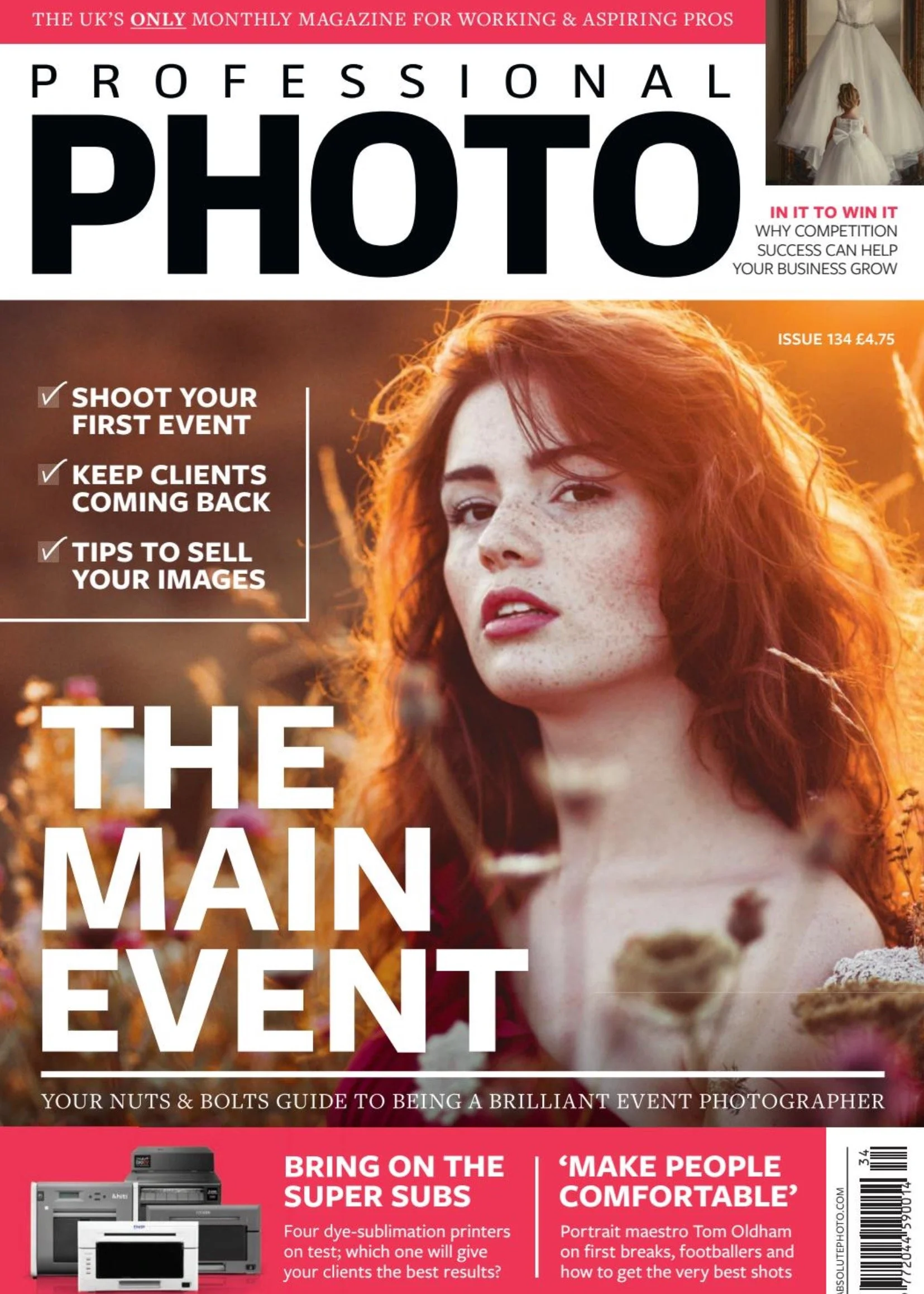
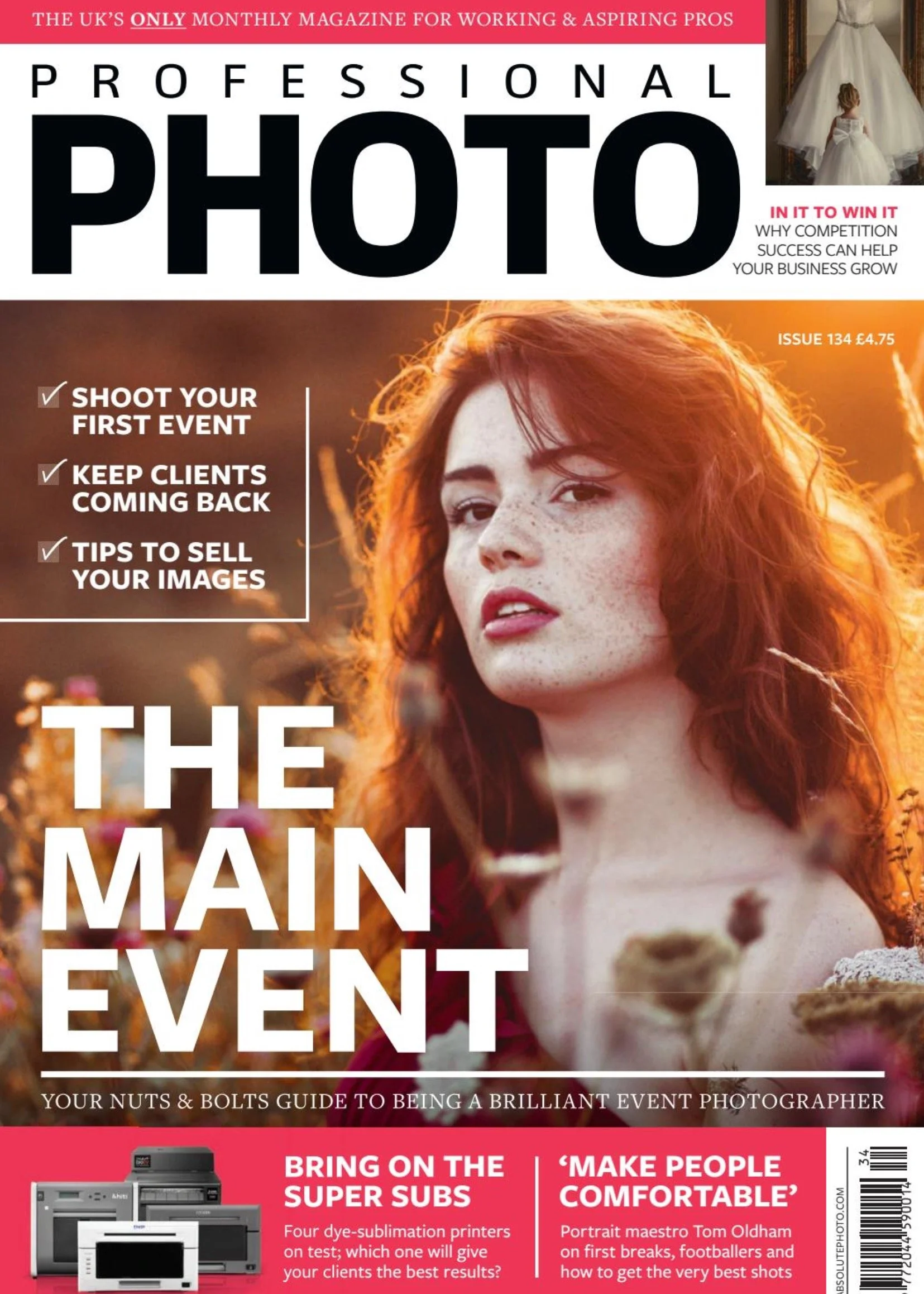
Professional Photo Magazine front cover
Very happy to be featured on the front page of Professional Photo Magazine issue 134! The front cover features an image from an editorial shoot shot on a Canon 6D and 85mm lens at Berry Head in Devon. It was probably the best natural light I had ever shot portraiture in at the time.
Interview with Digital Photographer Magazine
It all begins with an idea.
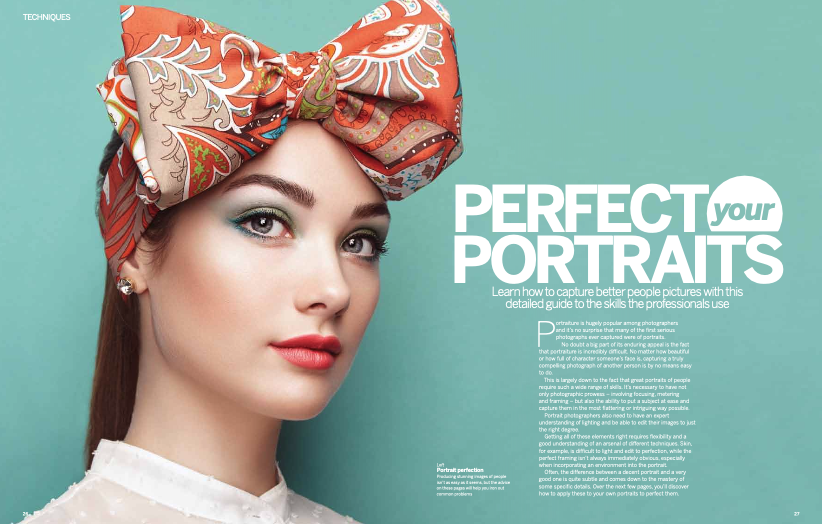
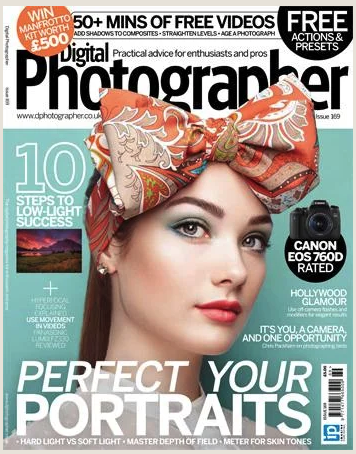
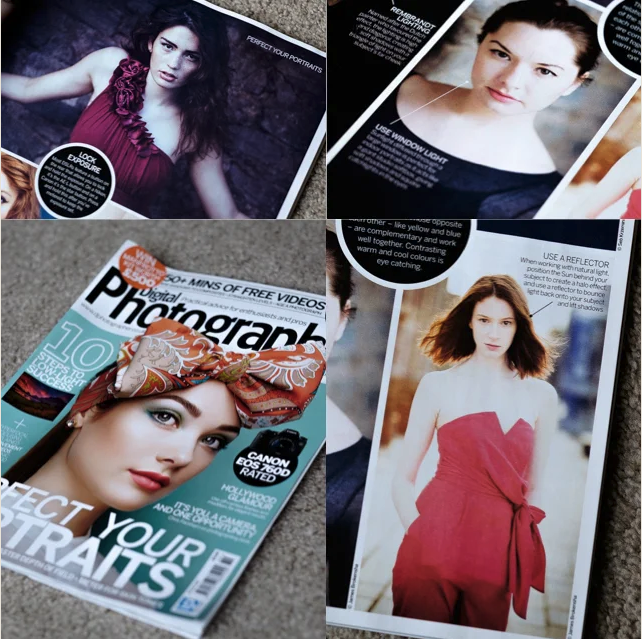
Several weeks ago I was interviewed by one of the Uk's top Photography Magazines Digital Photographer and I'm pleased to say it was published this month. Here's a copy of the interview:
What’s exciting about shooting portraits? What are the challenges
None of my portraits are the same or I at least try to keep them different. It's exciting to plan, prepare and put together a vision for a shoot. When you see the results and they match or exceed your expectations it can be very rewarding. It can be a lot of effort to pull off a good portrait and quite time consuming.
What makes a great portrait?
A combination of the subject, the location and the light are all big factors for me when shooting portraits. All have to be right to make the portrait work.
How important is to build rapport with your model? What do you do to put them at ease?
It's probably the most important aspect of a shoot. If the photographer and model don't gel you won't get the best out of the subject. Just be yourself and be honest about your limitations. Don't hide the images either, I show the subject every picture as we shoot and if the don't like any I delete it.
Tell us about your kit. What’s your preferred lens/focal length for portraits?
For the last few years I've been shooting exclusively with the Fuji x mirrorless Cameras. My portrait kit is a Fuji XT1 and the XF56mm 1.2 which is an 85mm equivalent in full frame. It's a stunning lens and XT1 (as well as any Fuji x camera) has beautiful skin tones. I don't use flash/strobes, just natural light.
How important is depth of field to your work. Do you prefer to work with more or less?
prefer a shallow as possible depth of field and shoot wide open at all times if I can.
What are the challenges/advantages you find with your aperture choices? How does it impact your work?
By shooting wide open you can lose a little sharpness then when stopped down but the Fuji lenses are so good that is not really an issue for me now. Focus becomes less forgiving so it's important to check your images on the LCD for sharpness to the eyes. If shooting in bright daylight your camera may not have a fast enough shutter speed to balance the exposure. This forces you to reduce your aperture and the shallow depth of field with it. The XT1 has an electronic shutter with shutter speeds up to 1/32,000s which solves that problem. When using DLSR's I used ND filters.
Do you prefer to work in the studio or on location? Why - what are the challenges/advantages?
I always shoot on location. I prefer the look of natural light and studio shooting has never really appealed to me. I know some great photographers who shoot pretty much all their work in the studio and they're work is brilliant, just not what I want to do at the moment. A location usually free to shoot at and you can make use environment around you. The possibilities are endless at a great location, but you are restricted by the weather and the time of day to get the correct lighting.
How do you ensure the poses are interesting and confident, rather than awkward and unflattering? What’s the difference?
If you are working with experienced models this is not usually an issue. It's a matter of going through a series of poses looking for the right ones. A good model should have everything you need in their toolbox of poses. Working with someone who is less experienced is different. You have to prompt them more often and explain in greater detail what you are trying to achieve. I will normally have a 'mood board' on standby with a series of photos on my iPad that the model can take examples from. A good image will stand out straight away as to whether it's a keeper or not. If and image looks even slightly uncomfortable or awkward then best delete it and move on.
Lighting is very important to your work. How would you describe your style?
I would call myself an "Available light" photographer.
If you could only use one modifier for your light, what would it be? Why?
The only modifier i use is a 5 in 1 reflector. I use the White side to fill in shadows on the face. I occasionally use the translucent middle to diffuse the sunlight.
Is there a secret to creating more interesting light? What’s the first step to making it more 3D/eye catching?
Two things to instantly make a natural portrait sing is catchlights in the eyes and side light on the face. Place a subject in a doorway, tunnel or similar to get rid of the top light from above. You can then use the sidelight to shape the face. You'll also get stronger catchlights from the light source
How important is post-processing to your work? What software do you use and what essential editing does every image undergo?
I used to spend hours on each image trying to make it perfect but I now keep things as simple as possible. I try to get as much right in camera as I can such as the crop and exposure. I use Lightroom for 90% of what I do and have a few presets I like to stick to. Sometimes I'll import the images with a ready made preset and do nothing to the else to the image.
Tell us what you’re working on at the moment?
I recently started shooting film again and hope to incorporate it into my portraits and street photography. I'm shooting actors and actresses Headshots and really enjoy doing that. I'm also a reportage wedding photographer which is the opposite of portrait photography as I have no control of the subjects.
Follow me on Instagram